
Seeing smoke come out of your microwave is alarming, but in most cases it has a straightforward fix. Before you panic or throw anything away, it helps to understand what actually caused it.
In most cases, the smoke is caused by one of these simple factors:
- Burnt food residue or grease buildup inside the cavity
- Using containers or trays that are not microwave-safe
- Overcooking food at a power level that is too high
- A dirty or damaged waveguide cover
In this guide, we will walk you through every common reason a microwave produces smoke, what to do right away when it happens, how to clean it properly afterwards, and when it is time to call for service.
What causes your microwave to produce smoke?
Burnt food residue and grease buildup
This is the most frequent culprit. Every time you heat food, small food particles and oil splatters can build up on the interior walls, ceiling, and floor of the microwave. When you heat the microwave again, those residues absorb microwave energy and start to burn, producing smoke and a strong smell.
The fix is simple: Keep a soft cloth nearby and give the interior a quick wipe after every use. It only takes a few seconds and prevents buildup before it starts.
Using the wrong containers
Not all kitchenware is designed to handle microwave heat. Metal, aluminium foil, or even some plastic containers that are not labelled microwave-safe can spark or melt when exposed to high temperatures. Even a small metallic trim on a plate or a stray staple can cause a reaction that looks and smells like smoke.
Before you put anything in the microwave, check the base for the microwave-safe symbol  . If you are ever unsure, it is best to stick to glass and ceramic without a metallic glaze.
Overcooked food
We have all been there. You set the timer for a little too long, or perhaps the power level was just a bit too high for the dish you were heating. When food gets too dry or overheated, it will inevitably burn. This not only ruins your meal but can also put unnecessary strain on your appliance.
A good habit is to use 70 to 80% power when reheating leftovers and check on food before the timer ends if you are unsure. It is always easier to add another minute than to deal with burnt food.
Check out our guide on How to use a microwave oven effectively to prevent overcooking food right from the start.
Dirty or damaged waveguide cover
The waveguide cover is the small flat panel you can see on the inside wall of your microwave cavity. Its job is to protect the magnetron, which is the component that actually generates the microwaves. If grease or food splatter builds up on this panel, it absorbs energy during cooking and can start to burn.
Check your waveguide cover regularly. If it looks dirty, gently wipe it with a damp cloth. If it looks damaged or burnt, it is best to contact support for a replacement.
Read more:
- Find the support you might need for your Electrolux microwave ovens
- Frequently-asked questions about microwave ovens
What to do if your microwave starts smoking
If you can see or smell smoke, stay calm, move quickly, and follow these steps to ensure your safety:
1. Turn it off: Immediately switch off the power and unplug the microwave from the wall socket.
2. Keep the door closed: Do not open the microwave door. Keeping it shut cuts off the oxygen supply and helps contain any small fire that may be inside.
3. Ventilate the room: Open windows and run your kitchen exhaust fan to clear smoke from the air.
4. Wait and cool: Leave the unit for at least 15 minutes. This allows any fire to burn itself out and gives the internal components time to cool down.
5. Inspect and clean: After the microwave has fully cooled, open the door to inspect the source. Remove any burnt items and wipe down the interior with a damp cloth and a little mild soap. For more thorough cleaning tips, check out comprehensive guide on How to clean a microwave oven.
If the microwave is clean but still smells of smoke, try these simple tricks:
- Steam clean: Place a microwave-safe bowl filled with one cup of water and a tablespoon of lemon juice or vinegar inside. Heat it for 2 – 5 minutes, then wipe the interior surfaces clean with a soft cloth.
- Use baking soda: If the smell persists, place an open container of baking soda inside the microwave overnight. It is excellent at absorbing and neutralising odours.
Check out other cleaning guides to keep your kitchen appliances in good shape:
- How to clean your oven in 5 steps
- How to clean your cooker hood properly
- How to clean your gas stove thoroughly
- How to clean your induction and radiant cooktops
When should you call for professional service?
If smoke persists after thorough cleaning and you are certain no food or metal items are inside, the issue is likely internal. This often indicates a faulty magnetron or electrical component. In these cases, avoid using the appliance and book an authorised service for a professional inspection.
If you are looking for an upgrade, our Electrolux microwave ovens are designed for both convenience and safety. Many of our models include advanced programs for grilling and steaming, as well as easy-to-use defrost settings that help you avoid overcooking your food.
Browse our range of Electrolux microwaves here:
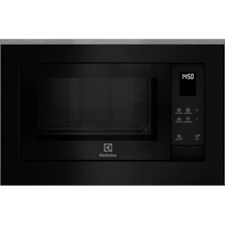
- 7 pre-set programs expertly cook a range of foods.
- QuickStart gets you cooking fast at 100% power.
- CombiGrill to grill and microwave in one program.
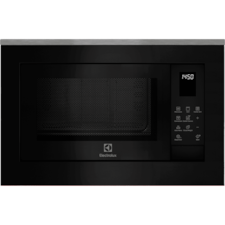
- Convection for roasting, baking, and re-heating.
- CombiGrill to grill and microwave in one program.
- Cavity is easy to clean after cooking.
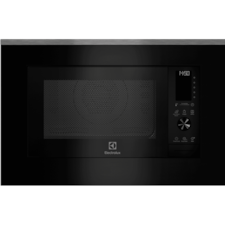
- AirFry your food for a fried taste with less oil.
- Convection for roasting, baking, and re-heating.
- CombiGrill to grill and microwave in one program.
FAQs about smoke in microwave
-
Is it safe to use a microwave after it has smoked?
If the smoke was caused by burnt food residue that you have since cleaned away, it is usually safe to use again. However, if the smoke returns during your next use, stop immediately and do not use the appliance until it has been inspected by a professional. -
Why does my brand new microwave smell or produce light smoke?
This is completely normal during the first few uses. The factory coatings and internal insulation simply need a little time to cure under heat, and the smell or light smoke should disappear on its own after a few cooking sessions. -
Does a microwave need a specific type of cleaning solution?
No, a simple mix of mild dish soap, water, or a natural solution like lemon juice and water is perfectly effective. Avoid abrasive scrubbers or steel wool, as these can damage the interior coating and create more places for food residue to get trapped. -
Should I be worried if I see sparks but no smoke?
Yes, stop using the microwave immediately. Sparks are usually caused by metal objects or a damaged waveguide cover and can quickly lead to fire or permanent damage if left unaddressed.