
Caring for your delicate fabrics doesn't have to be complicated when you know how to use your washing machine's delicate mode properly. Many people struggle with washing fragile garments at home, worried about shrinkage, colour fading, or damage from harsh washing cycles. The good news is that modern washing machines are equipped with settings specifically designed to handle your most precious clothing items with the care they deserve.
In this article, we’ll explain what the delicate mode in a washing machine does and provide a step-by-step guide on how to use it effectively. Whether you're washing delicate garments or specialty fabrics, this guide will help you keep them in pristine condition.
What is the delicate program in a washing machine?

The delicate wash in a washing machine is a specialised cycle designed for sensitive fabrics that require extra care. It operates with low agitation and low spin speeds, minimising the wear and tear on fragile materials. The delicate cycle also runs at lower temperatures, helping to prevent heat damage to fabrics that can shrink, stretch, or lose their texture when exposed to high heat.
This program is ideal for items like silk, lace, wool, or any garments labelled as “delicate” on their care tags. In addition to being called "delicate," this cycle may also be referred to as “gentle” or “hand wash” on certain washing machines. Using this program ensures that your most delicate fabrics maintain their shape, softness, and quality.
Common washing machine settings compared to the delicate cycle
Washing machines offer a range of settings designed for different fabric types and soil levels. Here's how the delicate cycle compares to other common settings:
| Washing machine setting | Regular cycle | Permanent press | Heavy duty | Delicate cycle |
| Agitation & spin speed | High agitation & high spin speed | Medium agitation & medium spin speed | High agitation, high spin speed, long wash cycle | Low agitation & low spin speed |
| Ideal for | Tough fabrics like cotton, denim, and polyester | Synthetic fabrics like polyester, rayon, and blends | Heavily soiled items like towels, bedding, and workwear | Delicate fabrics like silk, lace, wool, or embroidered garments |
| When to use | Use for everyday items that can withstand strong cleaning, such as jeans, t-shirts, and linens. Avoid delicate fabrics. | Use for reducing wrinkles in synthetic materials. Still too harsh for silk, lace or wool. | Best for deep cleaning tough stains but can cause damage to delicate fabrics due to intense agitation. | The gentlest option. Use for fragile fabrics that require extra care, preventing wear, stretching, or damage. Ideal for items labelled "hand wash". |
The top 3 benefits of using the delicate program in your washing machine
Using the delicate program on your washing machine comes with several advantages, especially for sensitive garments. Here are the key benefits:
1. Protects delicate fabrics from wear and tear
The gentle agitation and low spin speeds ensure that fragile materials are not subjected to excessive force, reducing the risk of fraying or damage.
2. Prevents stretching, shrinking, and fabric damage
By operating at lower temperatures and with less movement, the delicate cycle minimises the likelihood of garments stretching out of shape or shrinking.
3. Preserves the longevity and appearance of sensitive garments
The delicate program helps maintain the texture, softness, and original look of fabrics like silk, lace, and wool, ensuring your clothes can last longer and look better with each wash.
When and what clothes should you wash on the delicate cycle

The delicate cycle is ideal for specific fabrics and situations where extra care is needed. Here are the best times to use this setting:
- For delicate fabrics: Materials like silk, lace, satin, and cashmere are particularly prone to damage from high agitation and heat. The delicate cycle ensures they are treated gently.
- For garments labelled "hand wash only": Many items that specify “hand wash only” on their care label can be safely washed on the delicate cycle, offering a convenient alternative to manual washing.
- For clothes with embroidery or embellishments: Garments with beads, sequins, or embroidery need a low-agitation setting to prevent snagging or damage to the decorations.
It’s also important to separate clothes by fabric type and colour when using the delicate cycle. Mixing heavy or rough fabrics with delicate items can cause friction, leading to tears or stretching, while improper colour sorting can result in discoloration or dye transfer.
Explore our guides on how to wash different colour clothes effectively here:
- How to wash your coloured clothes
- How to wash black clothes and keep them from fading
- How to get white clothes white again in 4 ways
Step-by-step guide: how to use the delicate cycle
Properly using the delicate cycle ensures that your sensitive garments are cleaned gently and preserved for the long term. You may all know how to use washing machine, but the delicate items require extra steps as below:
Step 1: Sort your laundry and ensure you are only washing delicate items
Sorting is essential because mixing delicate fabrics with heavier items can cause friction and damage. Delicate garments can easily get torn, stretched, or snagged when washed alongside rougher fabrics like denim or towels.
Explore more tips on washing different fabric types here:
- How to wash and dry wool clothes without damaging them
- How to wash and dry jeans
- How to wash towels in your washing machine
Step 2: Turn garments inside out and place them in a mesh laundry bag to avoid snagging
Turning clothes inside out protects the outer fabric from direct contact with other items, reducing the risk of abrasion. Placing them in a mesh laundry bag adds an extra layer of protection, keeping delicate fabrics safe from snagging on zippers, buttons, or other sharp objects.
Step 3: Add a mild detergent specifically designed for delicate fabrics
Using a mild detergent is crucial because regular detergents may contain harsh chemicals that can degrade delicate fabrics over time. A detergent formulated for delicate garments ensures gentle cleaning without stripping the fabric of its natural fibres or damaging any embellishments.
Read more on What is the differences between Power vs. Liquid vs. Pod detergent to choose the right laundry detergent for your load.
Step 4: Select the delicate cycle and choose an appropriate water temperature (cold or lukewarm)
The gentle cycle uses lower agitation and spin speeds, making it perfect for fragile fabrics. Choosing the right water temperature is equally important. Cold or lukewarm water helps preserve colour, prevent shrinking and maintain fabric strength, whereas hot water can cause damage over time.
Step 5: Avoid using fabric softeners for some delicate fabrics
While fabric softeners may seem like a good idea, they can damage certain delicate fabrics, especially silk. The chemicals in fabric softeners can coat and weaken the fibres, reducing their natural softness and shine. It’s best to skip fabric softeners for most delicate fabrics.
Step 6: Dry the garments by air drying or using the lowest heat setting if machine drying is necessary
Air drying is the safest option for delicate clothes, as it helps maintain the fabric's integrity without exposing it to the risk of shrinkage or heat damage. If you must use a dryer, select the lowest heat setting to prevent fabric degradation and ensure your garments keep their shape.
How to hand wash delicate clothes if you don’t have a delicate program
If your washing machine doesn’t have a delicate cycle, hand washing is a safe alternative for fragile garments. Here’s how to do it:
- Fill a sink or basin with cold or lukewarm water to prevent shrinking or colour bleeding.
- Add a mild detergent designed for delicate fabrics. Avoid harsh chemicals to preserve the fabric’s quality.
- Gently agitate the water by hand for a few minutes, lightly rubbing any stained areas to loosen dirt without damaging the fibres.
- Rinse thoroughly with clean water until no soap remains.
- Gently press (don’t wring) the excess water out of the garment to avoid stretching. Then, lay the clothes flat or hang them to air dry.
Common mistakes to avoid when using the delicate mode
Even when using the delicate cycle, there are common mistakes that can compromise your clothes. Overloading the washing machine is one of the most frequent errors. When the drum is too full, clothes don’t have enough space to move freely, leading to inadequate cleaning and potential fabric damage.
Using too much detergent is another issue. Excess detergent can leave behind a sticky residue on delicate fabrics, making them feel rough and stiff. Stick to the recommended amount for a gentle yet effective clean.
Finally, avoid using hot water or high spin speeds. Hot water can cause delicate fabrics to shrink or lose their shape, while high spin speeds can distort fragile materials, especially those like silk or lace. Opt for cold or lukewarm water and a low spin speed to keep your clothes in good condition.
Get the best results with an Electrolux washing machine
Electrolux is a globally trusted brand, renowned for its innovation, quality, and commitment to excellence in home appliances. With over a century of experience, Electrolux washing machines are designed to meet diverse laundry needs.
A key feature is SensorWash technology, which automatically detects soil levels and adjusts the cycle for optimal cleaning. This ensures even delicate fabrics are thoroughly cleaned without excessive wear or damage.
If you want to prolong the life of your delicate garments, Electrolux’s gentle cycles, customizable settings, and energy-efficient performance make it an excellent choice. For fabrics that require extra care, an Electrolux front load washing machine is a smart investment in both performance and fabric preservation.
Discover our top-rated washing machines:
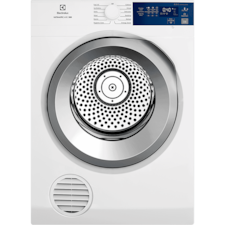
- ReverseTumbling reduces wrinkles up to 1/3*.
- Sensors adjust cycles to reduce wear and tear.
- ColourCare reduces fading by up to 80%*.
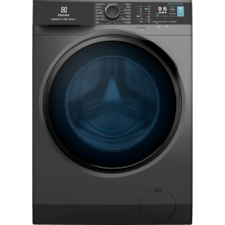
- No more visible detergent residue with UltraMix*.
- HygienicCare removes 99.9% allergens and germs*.
- EcoInverter motor uses 50% less energy*.
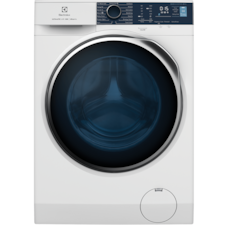
- No more visible detergent residue with UltraMix*.
- HygienicCare removes 99.9% allergens and germs*.
- EcoInverter motor uses 50% less energy*.
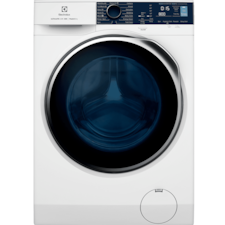
- No more visible detergent residue with UltraMix*.
- HygienicCare removes 99.9% allergens and germs*.
- EcoInverter motor uses 50% less energy*.
FAQs about delicate mode in washing machine
-
How full should the drum be when using delicate mode?
Fill the drum only halfway to two-thirds full when using delicate mode, giving fabrics enough room to move freely without friction or tangling. Overloading restricts water circulation and increases the risk of stretching or damage to fragile items.
-
Can I mix delicate and regular clothes in the same wash cycle?
No, avoid mixing delicate and regular clothes as heavier items like jeans or towels can cause friction and snagging that damages fragile fabrics. Always wash delicates separately, or use mesh laundry bags if you must combine small loads with similar care requirements.
-
Will using delicate mode increase my electricity and water bills significantly?
Delicate mode typically uses cold or lukewarm water and lower spin speeds, which actually reduces energy consumption compared to hot water cycles. Electrolux washing machines with inverter technology optimize water and energy use across all cycles, making delicate mode an economical choice for fabric care.