
This fridge clean out guide helps readers confidently decide what to keep and what to throw away from the fridge. It covers food safety, shelf life of leftovers and condiments, and tips to reduce food waste through smarter fridge organization.
What’s the difference between “best by” and “use by” dates?
We’ve all squinted at a food label, wondering if it’s still okay to eat just because the date has passed. It’s confusing and often leads to tossing food that’s perfectly fine. Understanding food date labels is one of the most empowering parts of any fridge clean out guide.
Here’s the key difference:
- Quality-based dates like “Best By” and “Sell By” indicate peak freshness, not safety. These dates are set by manufacturers to reflect ideal taste and texture.
- Safety-based dates such as “Use By” or “Expires On” mean the food may no longer be safe to eat after that point, especially for perishable items like meat, dairy, or ready-to-eat meals.
Examples:
- Yogurt that's a few days past the Best By date? Likely still fine.
- Pre-cut salad bag after the Use By date? Toss it.
- Milk past the Sell By date? Give it a sniff test, it may have a few good days left.
What can actually be kept in your fridge?
Before we dive into what needs tossing, let’s start with the good news: many fridge items are still perfectly safe and usable, even if they look a little past their prime. This section of your fridge clean out guide is all about reclaiming food that often gets thrown out unnecessarily.
Salvageable sauces and condiments
Not all open condiments have an expiration countdown. High-acid condiments like ketchup, mustard, and hot sauces can last 6 to 12 months in the fridge after opening. The acidity acts as a natural preservative. Similarly, jams and jellies hold up well due to their high sugar content; just watch for visible mold and use a clean utensil to avoid contamination.
Dairy and eggs you don't need to ditch
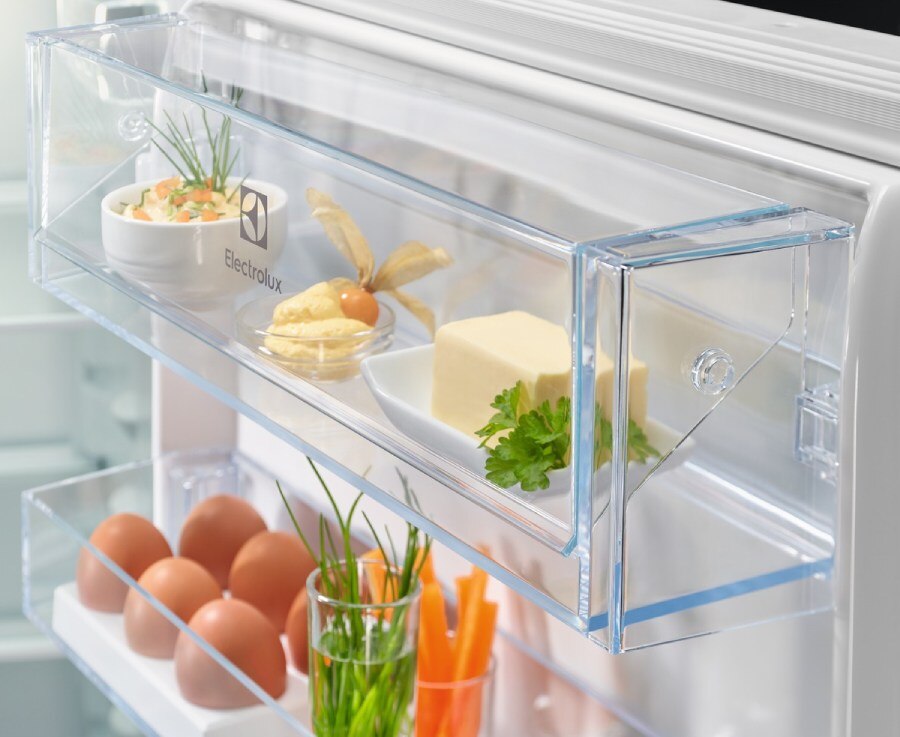
Milk and yogurt near their dates often pass the sniff test; if they smell and taste normal, they’re likely still safe. Hard cheeses like cheddar or Parmesan can be salvaged even with a small spot of mold, just cut around it with a 1-inch margin. For eggs, use the float test: if it sinks in water, it’s still fresh; if it floats, it’s time to toss.
How to repurpose and revive produce
Not all wilted veggies need to be thrown out. Carrots, celery, and leafy greens can be soaked in ice water to restore crispness. And bruised or overripe fruits? Perfect for smoothies, baking, or homemade sauces.
What are the most common things overstaying their welcome in your fridge?
Now that you know what can safely stay, let’s talk about what needs to go. This part of the fridge clean out guide focuses on food safety, covering when to throw our leftovers.
When in doubt, these are the items it’s safest to let go of:
1. Leftovers older than 4 days
Most leftovers have a short shelf life. Toss anything over 4 days old. That includes:
- Cooked meat, poultry, and casseroles: 3–4 days max
- Cooked fish and seafood: 1–2 days
- Soups and broths: 3–4 days
- Cooked rice, pasta, and grains: 3–4 days
- Cooked vegetables: up to 4 days
2. Any soft food with visible mold
Unlike hard cheeses, soft foods like yogurt, sour cream, cream cheese, or jam should be thrown out if you see mold. Mold spores can spread invisibly and deeply.
3. Raw meat, poultry, or fish past its window
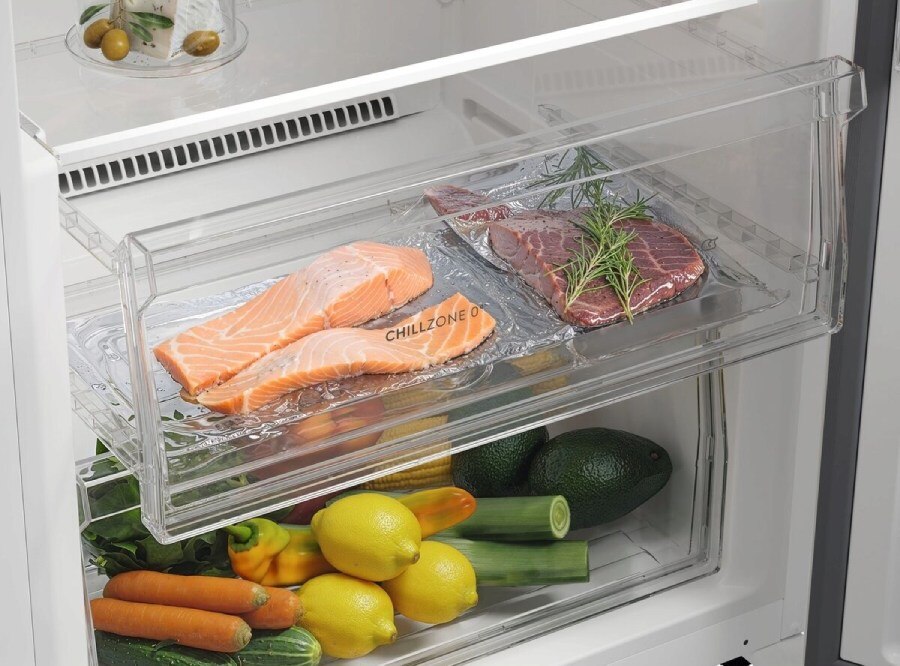
Uncooked meat and fish don’t last long, even in the fridge:
- Raw poultry and ground meats: 1–2 days
- Steaks, chops, roasts: 3–5 days
- Fresh fish: 1–2 days If the “Use By” date has passed or it smells off, toss it.
4. Deli meats after 5 days
Even if they look okay, opened deli meats should be thrown out after 5 days. They’re highly perishable.
5. Slimy vegetables and moldy berries
If it’s slimy, squishy, or fuzzy—it’s done. A single moldy berry can spoil the rest, so check the whole container.
6. Old, separated, or "off" condiments
If your condiments have separated, changed color, or smell sour, they’re past their prime—even if the date looks okay.
7. Opened jars of sauce that you can't remember opening
If you can't remember when you opened it, it’s safer to toss it. Especially for items like pasta sauce, curry paste, or salsa.
8. Anything that fails the "Trust your senses" test
If it smells odd, looks strange, or feels off—it probably is. Your nose, eyes, and instinct are usually right when it comes to spotting spoiled food.
3 tips for an organized, waste-free fridge
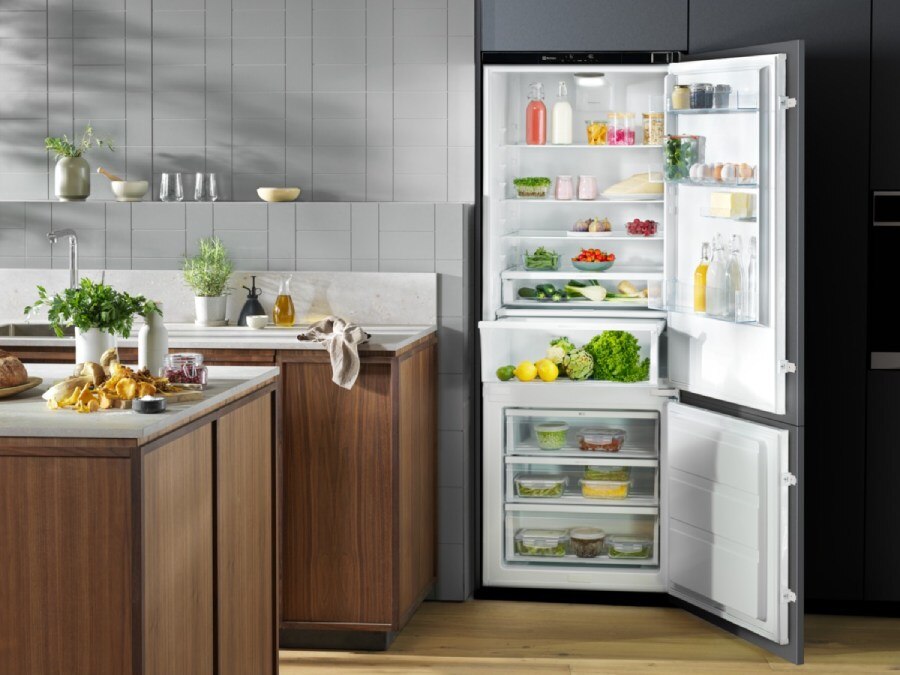
Once you've cleared out what doesn’t belong, the next step is setting up your fridge for success. A little structure can go a long way in reducing waste, keeping food fresh, and making everyday cooking easier.
1. Implement a "First in, first out" system
Place older items toward the front and newer ones in the back. This simple shift helps ensure that food gets used before it goes bad, and saves you from mystery leftovers hiding in the corners.
2. Designate zones in your fridge
Give everything a home. Keep dairy on one shelf, raw meats in a leak-proof bin at the bottom, produce in drawers, and leftovers where they’re easy to see. These zones make it easier to find what you need, and prevent cross-contamination.
For more tips to store your food longer, check out our guides on:
3. Leverage your appliance's features
Use crisper drawers to keep fruits and vegetables fresh longer. Electrolux fridges come with humidity-controlled crispers that help maintain ideal conditions for different types of produce, so your greens stay crisper and your berries last longer.
A fresh start for your fridge
Cleaning out your fridge isn’t just about tossing what’s gone bad, it’s also about setting yourself up for less waste, more clarity, and better meals. With a little structure and the right tools, your fridge becomes a space that works for you, not against you.
Electrolux fridges make it easier to keep things fresh and organized. Features like TasteLockAuto® crispers help extend the life of fruits and vegetables by maintaining optimal humidity levels. Adjustable shelving, flexible storage zones, and advanced cooling technology all contribute to longer-lasting ingredients and fewer surprise spoils.
With the right appliances and our fridge organisation tips, every grocery trip goes further, and every meal becomes a little easier to plan.
- TasteSealFlex ideal storage with 5 temperatures.
- TasteLockAuto keeps vegetables fresh for 7 days*.
- TwinTech cooling help preserves taste and texture.
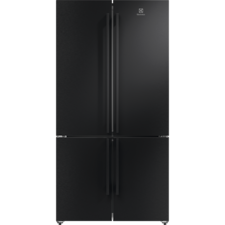
- MultiChill custom storage at -2°C, 0°C, and 3°C.
- AICoolAssist helps save up to 10% energy*.
- GreenZone retains Vitamin C in blueberries for up to 7 days.*
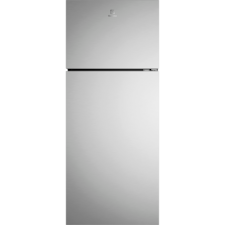
- AI AutoSense saves up to 10% energy*.
- GreenZone drawer retains up to 90% Vitamin C for after 7 days*.
- ExtraChill drawer ideal for deli meats and cheese.
Frequently asked questions about cleaning out your fridge
-
How often should I do a full fridge clean out?
It’s a good habit to do a full fridge clean out every 1–2 weeks. This includes checking expiry dates, tossing old leftovers, wiping down shelves, and reorganizing as needed. A quick scan each week prevents food waste and helps you stay on top of what you actually have.
-
Is it safe to eat food past its "Best By" date?
Often, yes. If it’s a “Best By” date (rather than “Use By”), the food may still be safe, just not at peak quality. Always check for changes in smell, texture, and appearance, and refer to food safety guidelines for specific items.
-
What's the best way to clean and disinfect fridge shelves?
Start by removing everything and washing shelves with warm, soapy water. Rinse, dry, and then disinfect with a mix of one tablespoon of bleach per gallon of water—or use a vinegar-based solution for a more natural approach. Make sure surfaces are completely dry before replacing items.
Check out our comprehensive guide on how to clean your refrigerator for a complete inside and out cleaning. -
How long do condiments last?
It depends on the type, ingredients, and whether they’ve been opened. Most condiments last much longer than people think, especially those high in acid or sugar.
- Ketchup, mustard, vinegar-based sauces: Typically last 6–12 months in the fridge after opening.
- Mayonnaise: About 2 months after opening if refrigerated consistently.
- Jam and jelly: Up to a year, as long as there’s no visible mold and a clean utensil is used.
- Soy sauce and hot sauce: Often last over a year thanks to their high salt or acid content.
- Creamy dressings and pesto: Use within 1–2 months after opening.