
Every time you sear a steak or bake bread, you're triggering chemical reactions that create the flavors we crave. From browning to bubbling, small temperature shifts cause big changes in texture, aroma, and taste.
This article breaks down how heat transforms flavor through key processes like the Maillard reaction, caramelization, and pyrolysis; plus the role of conduction, convection, and radiant heat.
How does heat move through food?
Before diving into flavor science, it helps to understand how heat actually enters and moves through food. Different cooking methods transfer energy in different ways, and each one plays a key role in how flavors develop.
Conduction: Direct contact (The sear in the pan)
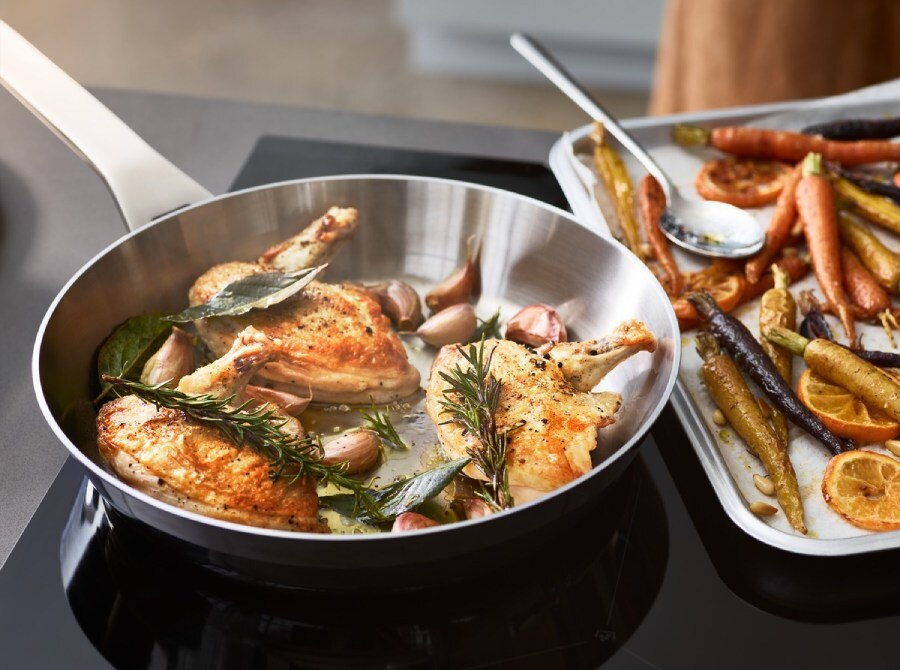
Conduction is the transfer of heat through direct contact. It happens when food touches a hot surface, like a pan or griddle. This is what creates that perfect brown crust on a pan-seared chicken thigh or golden hash browns.
Induction hobs are especially effective for this kind of cooking because they heat quickly and evenly, giving you better control over searing and browning.
Convection: Moving air/liquid (The evenness of the oven)
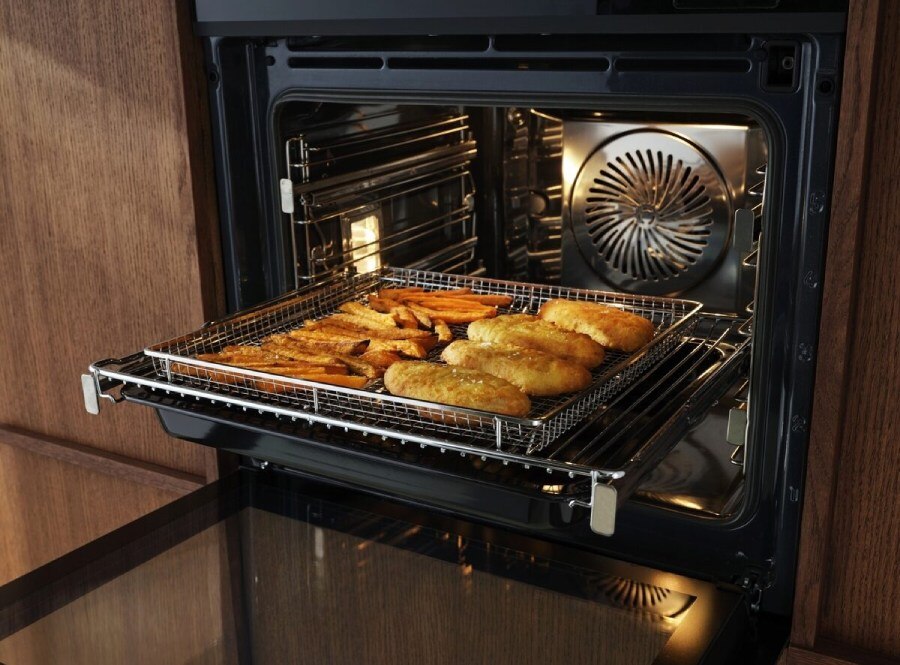
Convection roasting transfers heat through a moving fluid: either air in your oven or liquid in a pot. It's what makes roasting even and efficient. Roasted vegetables, golden all around, are a classic result. Ovens with convection settings help circulate heat more uniformly, reducing the chances of hot or cold spots.
Radiation: Waves of energy (The char from the grill)
Radiation involves heat moving through electromagnetic waves, like the intense heat radiating off a grill or broiler. This creates surface charring and adds smoky depth to foods like grilled steaks or blistered peppers.
Don’t have a BBQ? Indoor broilers can actually mimic this effect, helping home cooks achieve that charred, flame-kissed flavor.
Which heat reactions create the flavors we love in cooking?
Once heat reaches your food, it triggers a series of chemical reactions that build flavor, aroma, and color. These reactions are the heart of culinary chemistry and explain how heat changes food flavor in delicious ways.
The Maillard reaction: The secret to savory
The Maillard reaction occurs when amino acids and sugars react under heat: usually around 140°C/285°F. It produces complex, savory flavors that are deeply satisfying and roasty. Think seared steak, crusty bread, fried onions, or even roasted coffee. This reaction is enhanced by dry heat and high temperature, which Electrolux ovens and induction hobs help achieve with precision.
Caramelization: The secret to sweet complexity
Caramelization is the breakdown of sugars when exposed to heat, usually above 160°C/320°F. It produces rich, nutty, and buttery notes, along with a hint of bitterness. Classic examples include caramel sauce, roasted carrots, and deeply browned onions. It often overlaps with the Maillard reaction, creating layers of flavor.
Pyrolysis: The flavor of fire
Pyrolysis happens when food is exposed to very high heat, causing organic matter to break down and carbonize. This creates charred, smoky, and sometimes bitter flavors. Grill marks on vegetables, burnt edges of pizza crust, and toasted marshmallows all owe their flavor to this intense process. Used carefully, pyrolysis can add bold, crave-worthy contrast.
Want to make meals more flavorful? Start with how you use heat
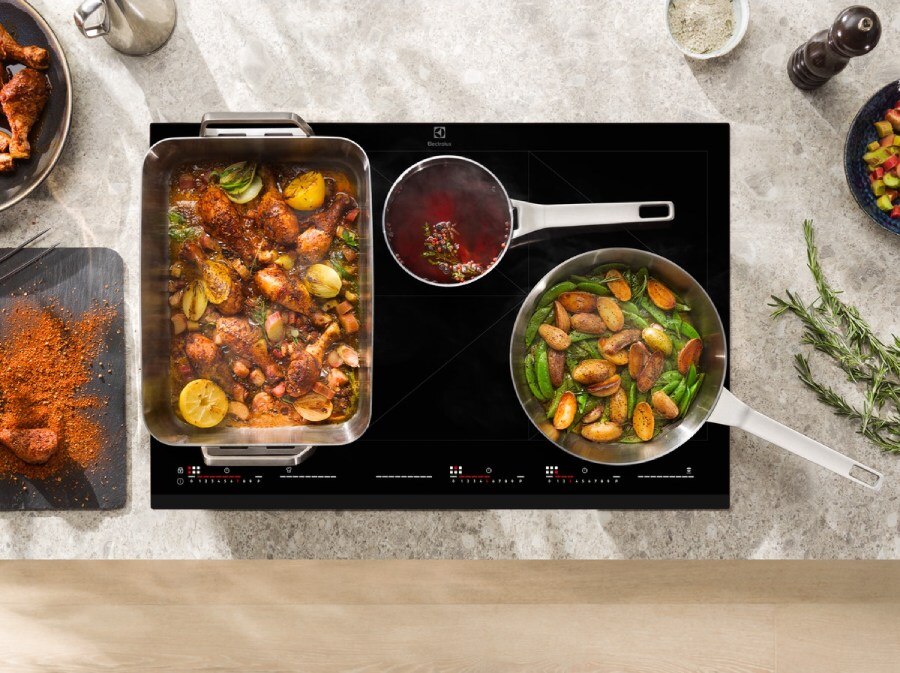
Now that we've covered the science, how do you actually use this knowledge while cooking? Here are some everyday techniques that let you harness heat’s full flavor potential.
1. The power of searing (conduction)
Getting a good sear goes beyond just cooking with high heat, it's also about control. You want to create a flavorful crust without overcooking the inside. That means working with dry ingredients, a properly preheated pan, and avoiding crowding.
Quick tips:
- Pat your food dry before it hits the pan
- Preheat your pan until it's hot enough for a sizzle
- Give food space—too much in the pan causes steaming, not searing
2. The magic of the roast (convection & radiation)
Roasting helps deepen flavor by concentrating natural sugars and encouraging browning. It works best when air can circulate freely, and ingredients aren’t piled too high.
Try this:
- Use a large baking tray to spread food in a single layer
- Roast at higher temperatures (200°C / 400°F) to trigger browning
- Flip or stir halfway through for even color
For more cooking tips with ovens, check out our:
3. The intensity of the grill (radiation)
Grilling doesn’t have to be reserved just for summer, this cooking method is a powerful way to bring smoky, charred flavor into your cooking since it delivers both Maillard browning and pyrolytic char. The trick is balancing browning with boldness without burning.
Here’s some tips to grill smart:
- Keep an eye on distance to the heat source
- Use marinades or dry rubs to add flavor and protect against drying out
- For indoor options, broilers or grill functions can do the trick
Kitchen tools that help you cook with flavor in mind
Understanding the science behind how heat changes food flavor is one thing, but having the right tools makes it easier to apply that knowledge.
Electrolux kitchen appliances are designed to support better, more flavorful cooking every day. Electrolux ovens offer features like SteamBake for gentle, moist cooking that enhances crust and texture, and precise temperature control for consistent results. Induction hobs heat quickly and respond instantly, giving you the control needed to nail that perfect sear or slow simmer. And with Electrolux microwaves, you can reheat or cook with targeted settings that preserve flavor and prevent overcooking.
Together, these appliances make it easier to bring out the best in every ingredient; whether you're roasting, searing, grilling, or reheating.
Explore our range of precision-controlled Electrolux built-in ovens:
- SteamPro delivers ultimate taste results.
- Smart food probe monitors core temperatures.
- Steamify makes it easier to cook with steam.
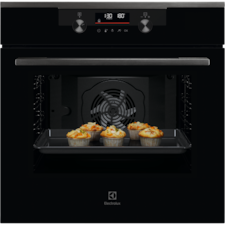
- SteamBake for bakery-style bread at home.
- Easy pyro cleaning at high temperature.
- Smart food probe monitors core temperatures.
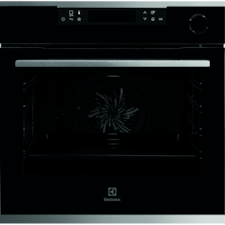
- SteamRoast for crisp, yet succulent meats.
- Smart food probe monitors core temperatures.
- LCD screen functions assist cooking with ease.
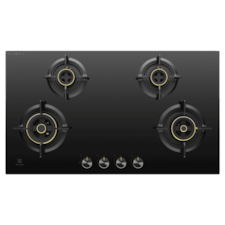
- Brass burners to sear, simmer and pan fry.
- Blue flame burns efficiently to lower energy cost.
- Mini triple-ring burner for intense, even heat.
- Brass burners to sear, simmer and pan fry.
- Blue flame burns efficiently to lower energy cost.
- Mini triple-ring burner for intense, even heat.
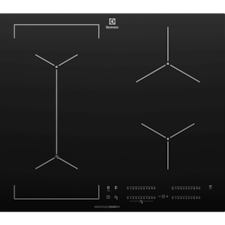
- SenseFry adjusts heat for even frying results.
- Select the bridge function to combine two zones.
- PowerBoost provides quick, intense heat.
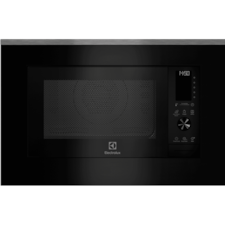
- AirFry your food for a fried taste with less oil.
- Convection for roasting, baking, and re-heating.
- CombiGrill to grill and microwave in one program.
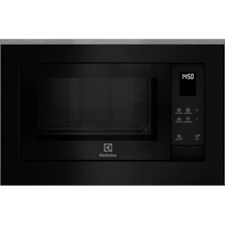
- 7 pre-set programs expertly cook a range of foods.
- QuickStart gets you cooking fast at 100% power.
- CombiGrill to grill and microwave in one program.
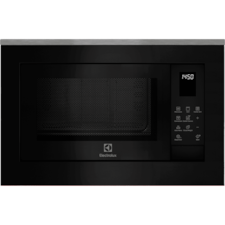
- Convection for roasting, baking, and re-heating.
- CombiGrill to grill and microwave in one program.
- Cavity is easy to clean after cooking.
Frequently asked questions about how heat changes food flavor
-
What’s the difference between the Maillard reaction and caramelization?
The Maillard reaction happens when proteins (amino acids) and sugars interact under heat, producing savory, complex flavors like those found in seared meat or toasted bread. Caramelization, on the other hand, involves only sugars breaking down under high heat, creating sweet, nutty, and buttery flavors like those in caramel or roasted vegetables.
-
Does boiling food add any flavor?
Boiling is one of the gentler heat methods and usually doesn’t add much flavor through browning. However, it can still build flavor when done in a broth or with aromatic ingredients. Boiling is great for texture (like pasta or vegetables) but doesn’t trigger the Maillard reaction or caramelization.
-
Why does my food steam instead of brown?
Browning requires dry heat and surface contact. If your pan is too crowded or your ingredients are wet, they’ll steam instead. To get that golden color and deep flavor, use a hot pan, avoid overcrowding, and pat ingredients dry before cooking.
-
At what temperature does the Maillard reaction start?
The Maillard reaction typically begins around 140°C (285°F) and intensifies up to 165°C (330°F). For best results, use dry heat and avoid too much moisture. This temperature range is ideal for developing deep, savory notes in meats, breads, and vegetables.