
Can you get diseases from washing machines? The answer is yes, especially if hygiene is not maintained. Washing machines, particularly in shared residential settings or apartment buildings, can harbor germs, bacteria, and even viruses. Common sources include dirty clothes, undergarments, and towels that carry bacteria such as E. coli or viruses from bodily fluids.
Maintaining proper hygiene in your laundry routine is essential to kill bacteria in the washing machine and prevent cross-contamination. Without proper care, germs can linger in the drum and on your clothes.
In this article, we’ll explore the most effective methods to sanitize your washing machine and ensure your laundry is as clean as possible.
What's the best way to kill germs in the washing machine?
Keeping your washing machine clean and choosing the right settings are key to ensuring that bacteria and germs are effectively removed from your clothes. Here’s how to kill germs in the laundry and ensure a more hygienic washing routine.
What temperature kills bacteria in the washing machine?
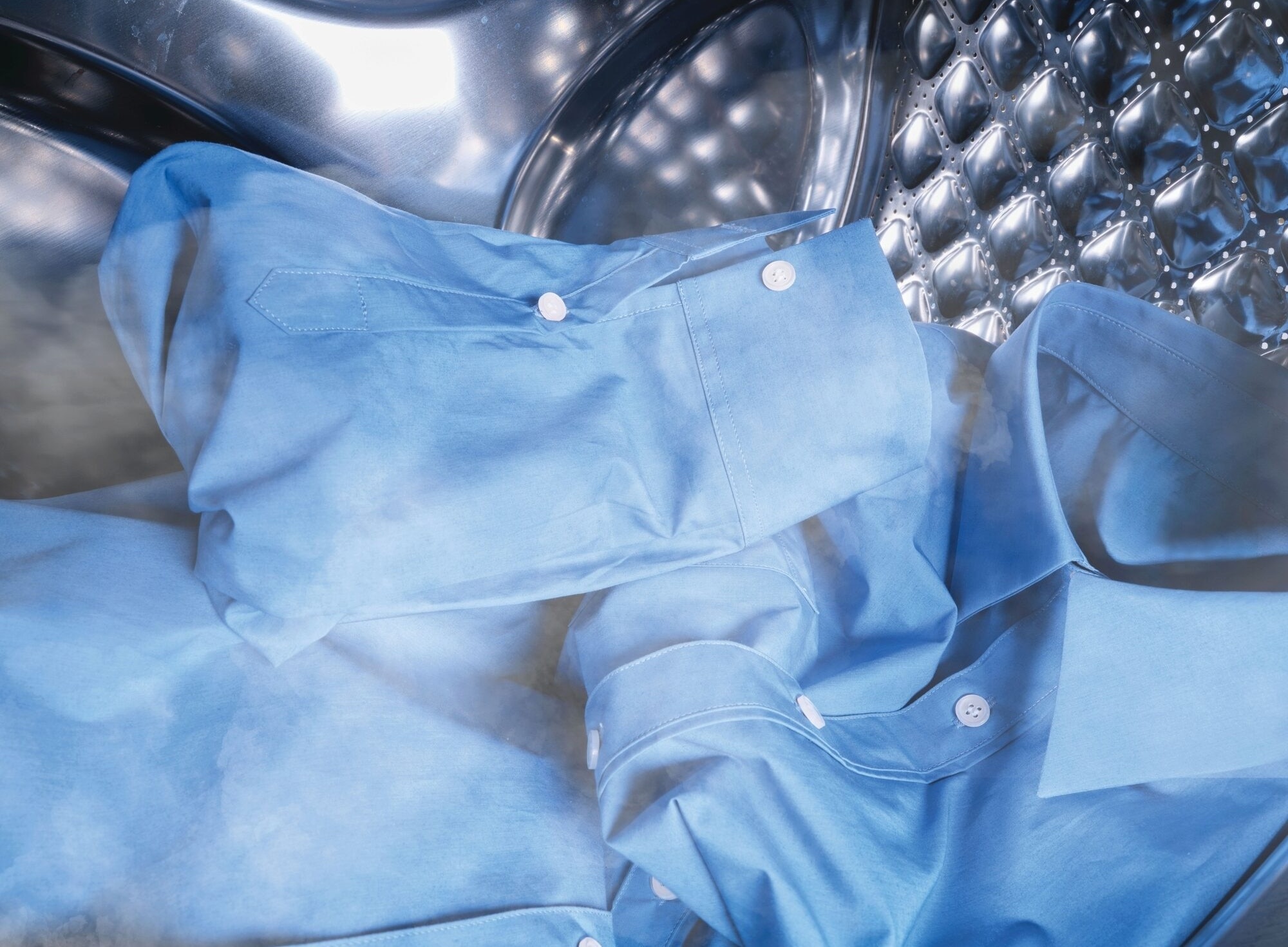
Using the right temperature is crucial to killing germs effectively. To remove bacteria and viruses from your laundry, wash clothes at 60°C (140°F) or higher.
| Temperature | Effectiveness |
|---|---|
| Cold (30°C or below) | Gentle on fabrics and energy-efficient, ideal for lightly soiled and everyday loads. |
| Warm (40-50°C) | Suitable for most laundry, effectively removes dirt and grime while being gentle on fabrics. |
| Hot (60°C or above) | Best for killing bacteria and viruses, especially useful for heavily soiled or germ-laden items like towels and underwear. |
Tip: Always check the care label to ensure fabrics can handle hot water without shrinking or damage - this matters especially for delicate fabrics like sarees and cotton kurtas common in Indian wardrobes.
How do sanitizing and allergen cycles eliminate bacteria?
Many washing machines feature sanitizing and anti-allergen cycles that use higher temperatures and extended washing times to kill germs.
- Sanitizing Cycle: Kills up to 99.9% of germs and bacteria.
- Allergen Cycle: Specifically targets allergens like dust mites and pollen, providing relief for people with sensitive skin.
| Cycle type | Benefit |
|---|---|
| Sanitizing cycle | Kills germs and bacteria, ideal for everyday laundry hygiene. |
| Anti-Allergen cycle | Removes allergens, beneficial for people with allergies. |
Many Electrolux washing machines feature a Sanitize program, which uses high heat to remove allergens and bacteria while being gentle on fabrics.
How should you handle heavily soiled laundry?
Items like sportswear, school uniforms, undergarments, kitchen towels, and bath towels are often exposed to more germs. To prevent cross-contamination:
- Wash heavily soiled items separately from regular laundry.
- Use a higher temperature or sanitizing cycle when possible.
Examples of heavily soiled laundry:
- Shoes
- Kids' clothes
- Towels
- Undergarments
For more detailed washing instructions, refer to our guide on:
Why is cleaning the washing machine regularly important?
Keeping your washing machine clean is essential to prevent bacterial buildup. Regular maintenance ensures that germs don’t linger inside the drum, affecting future loads. This is particularly important in areas with hard water, where mineral deposits can combine with detergent residue and create an environment for bacteria.
Steps to clean your washing machine:
- Clean the drum at least once a month.
- Wipe down the door seal and detergent dispenser after washing heavily soiled items.
- Run an empty hot wash cycle (60–90°C) with a cleaning or descaling agent to disinfect the machine.
Air out the washing machine drum
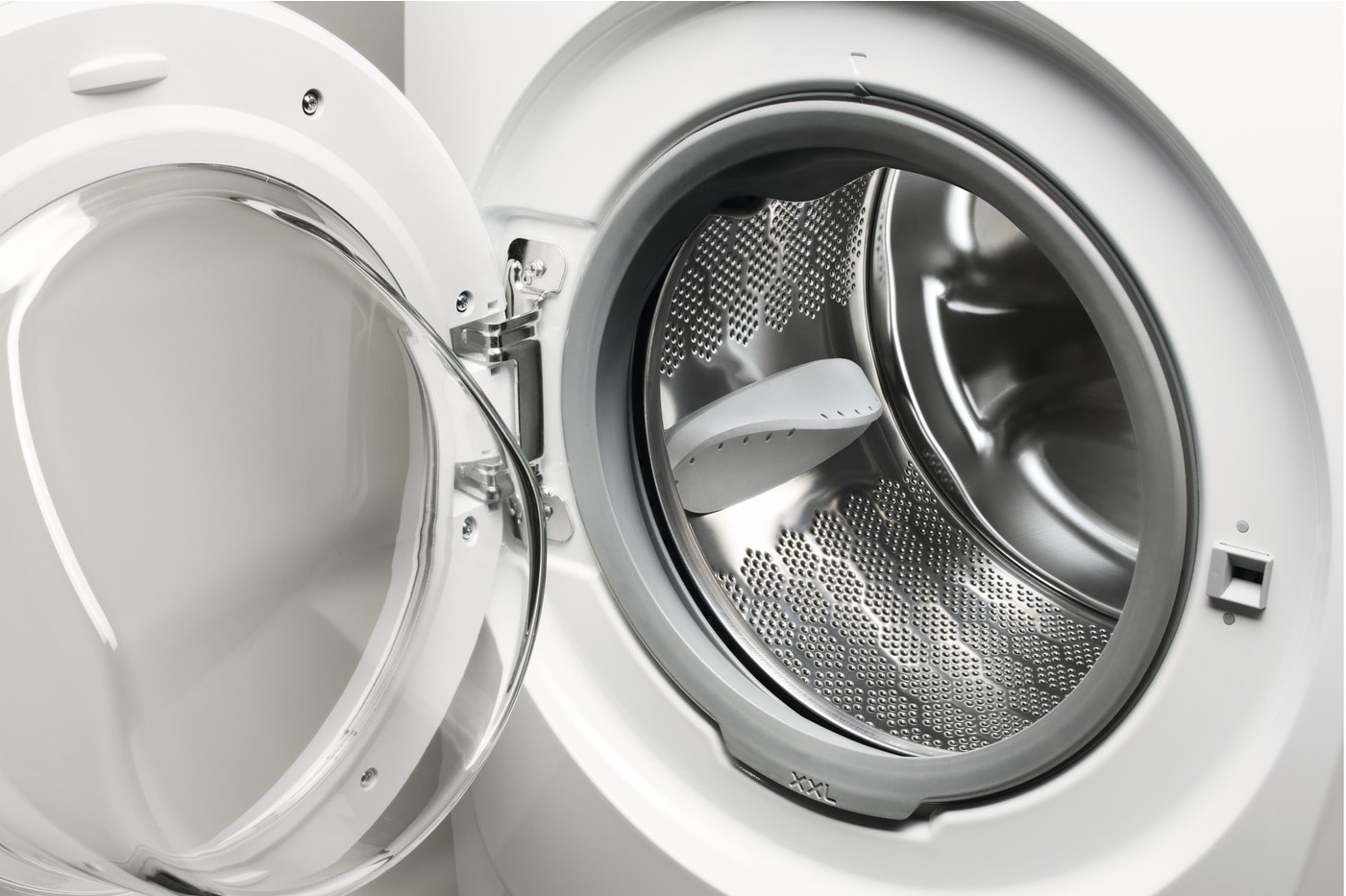
After each laundry cycle, it’s a good practice to air out the washing machine drum by leaving the door open. This helps prevent moisture buildup, which can lead to mould and mildew growth. Allowing air circulation also helps keep the machine fresh and ready for the next load.
By following these steps, you can ensure that your washing machine stays clean, and your laundry comes out free from bacteria and germs, providing a more hygienic wash every time.
How do you choose the right laundry detergent and sanitizer to kill bacteria?
When it comes to sanitizing laundry, using the right detergent and laundry sanitizer is essential to effectively remove germs and bacteria from your clothes.
Many people ask, can detergent kill bacteria? While laundry detergent is designed to break down oils and dirt, it doesn't always kill bacteria on its own.
Combining the right detergent with other sanitizing agents can help ensure your laundry is thoroughly cleaned and germ-free.
Which detergent should you choose for sanitizing?
For general laundry, choose a high-quality detergent that’s designed for your washing machine type (HE detergent for high-efficiency machines, etc.).
For sanitizing:
- Liquid detergents: Great for cold and warm water loads. Some formulations include anti-bacterial properties, but they primarily focus on removing dirt.
- Powder detergents: Ideal for heavily soiled clothes, as powders tend to break down oils and dirt effectively, especially in hot water cycles.
Unsure which detergent type works best for your routine? Read our full guide on choosing the best detergent for washing machine or comparison of pods vs. liquid vs. powder detergents.
How do laundry sanitizers work?
For a more thorough germ removal process, you can add a laundry sanitizer to your wash cycle.
Laundry sanitizers are designed to kill 99.9% of bacteria, viruses, and fungi. These products work well in both cold and hot water and can be added during the rinse cycle. Sanitizers are especially useful when washing items like towels, bedding, or clothing worn by someone who’s sick.
How does drying clothes properly kill remaining germs?
Drying your clothes is just as important as washing when it comes to eliminating bacteria and germs. The heat from drying can help ensure that any remaining pathogens are destroyed, making your laundry more hygienic.
Here are the two best options for drying your clothes:
High-heat drying
Using high heat in a tumble dryer is one of the most effective ways to kill germs and bacteria. Most bacteria, viruses, and fungi cannot survive high temperatures, making this method ideal for sanitising heavily soiled clothes, towels, and bedding.
Drying at temperatures of 60°C (140°F) or above is recommended to ensure germs are eliminated. However, it’s important to check care labels before using high heat, as some fabrics, such as delicates, may be damaged by high temperatures.
Benefits of high-heat drying:
- Kills bacteria, viruses, and dust mites.
- Helps eliminate moisture, which can prevent mold and mildew growth.
- Quick and effective for germ-laden items like towels, socks, and bedding.
For clothes that can’t handle high heat, consider using a dryer’s sanitize cycle, if available, which uses controlled temperatures to kill germs without damaging fabrics.
If you're still deciding on the right appliance, check out our dryer buying guide.
Can sun drying kill germs naturally?
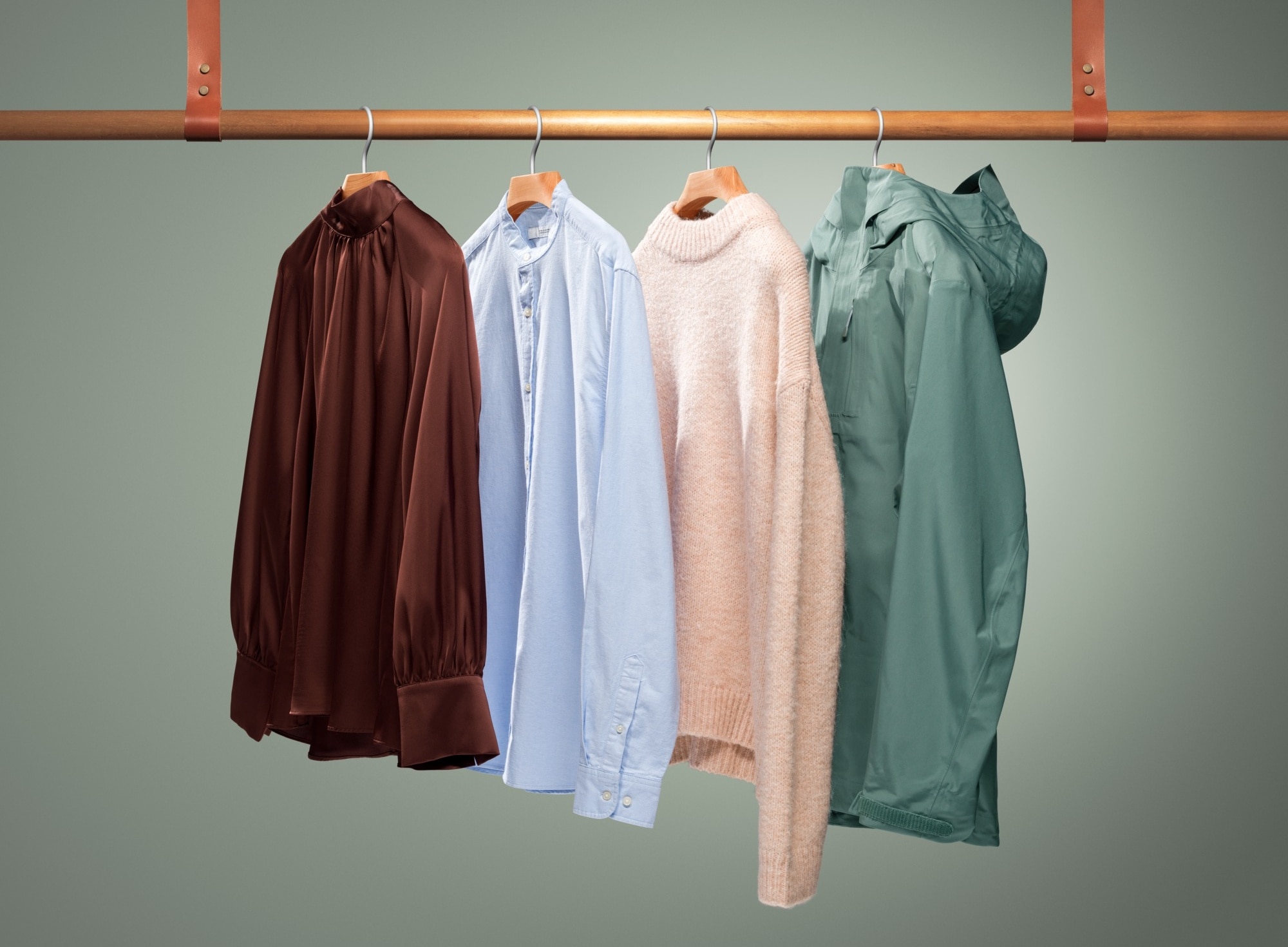
Sun drying is another natural and energy-efficient method for killing germs. The sun’s UV rays act as a natural disinfectant, killing bacteria and viruses while leaving your clothes fresh. Sunlight can also help bleach whites naturally, reducing the need for harsh chemicals.
To make the most of sun drying:
- Hang your clothes in direct sunlight to maximise exposure to UV rays.
- Ensure proper airflow by spacing clothes apart, allowing them to dry thoroughly.
Sun drying may take longer during rainy or high-humidity periods, so combining proper washing temperatures with adequate drying is essential.
3 additional tips for germ-free laundry
Ensuring your laundry routine is hygienic involves more than just washing and drying your clothes. Here are a few extra steps you can take to keep your laundry routine as germ-free as possible.
Wash your hands after handling dirty laundry
After handling dirty laundry, especially items like towels, bedding, or clothing worn by someone who is sick, it’s essential to wash your hands. Germs and bacteria from soiled fabrics can transfer to your hands, potentially spreading to other surfaces.
Washing your hands with soap and water for at least 20 seconds reduces the risk of cross-contamination, helping to keep your home clean and safe.
Don’t overload your washer
Overloading your washer can prevent clothes from getting thoroughly cleaned. When too many items are crammed into the machine, water and detergent can’t circulate properly, leaving dirt and germs behind.
It’s better to wash fewer items at a time, allowing space for clothes to move freely. This ensures the detergent can reach all areas of the fabric, leading to cleaner, germ-free laundry.
Store clean laundry properly
Once your laundry is clean, make sure to store it properly to maintain its hygiene. Always store clean laundry in dry, clean areas to prevent it from coming into contact with dust, dirt, or germs.
Avoid leaving clean clothes in damp areas, as moisture can lead to mold and mildew growth. Consider using breathable storage solutions, such as cotton or linen bags, to allow airflow while protecting your clothes.
Protect your laundry with Electrolux technology
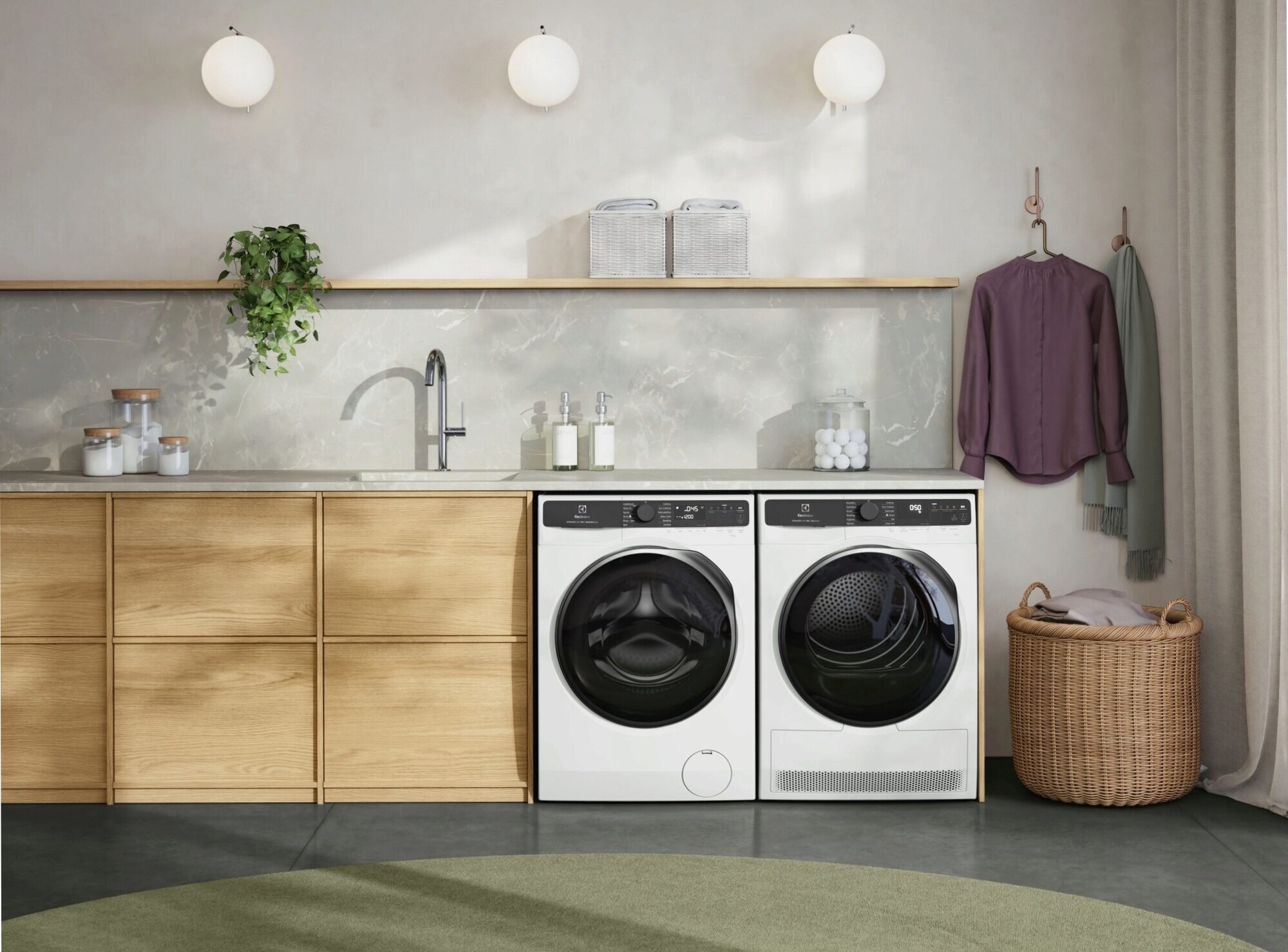
Properly washing and drying your clothes is essential to ensuring a germ-free, healthy home. By following the tips outlined in this guide, you can eliminate bacteria and viruses from your laundry routine.
Electrolux washing machines make this process even easier with features like HygienicCare, which uses steam to remove 99.9% of allergens and bacteria, providing an extra layer of protection for you and your family. This advanced technology ensures your clothes are not only clean but also hygienically treated.
For a more eco-friendly approach, Electrolux appliances are designed to save energy while delivering superior performance, contributing to both your health and the environment.
Ready to upgrade your laundry routine? Explore Electrolux range of washing machines and washer dryers built with hygiene-focused technology:
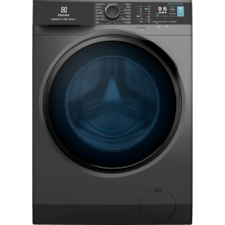
- No more visible detergent residue with UltraMix*.
- HygienicCare removes 99.9% allergens and germs*.
- EcoInverter motor uses 50% less energy*.
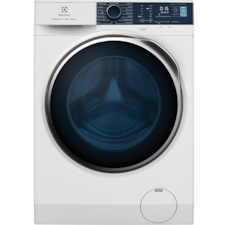
- No more visible detergent residue with UltraMix*.
- HygienicCare removes 99.9% allergens and germs*.
- EcoInverter motor uses 50% less energy*.
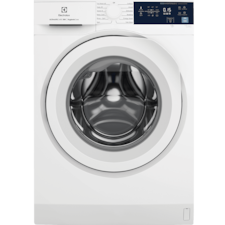
- HygienicCare removes 99.9% allergens and germs*.
- EcoInverter motor uses 50% less energy*.
- Set quick cycles to suit your schedule.
FAQs about how to disinfect laundry
1. Does cold water kill germs in laundry?
No, cold water alone doesn't reliably kill bacteria. Pair it with a laundry sanitiser or a sanitising dryer cycle for effective germ removal.
2. Is it safe to use bleach to kill bacteria in laundry?
Only on white or colourfast fabrics, as bleach can discolour coloured clothing. Use oxygen-based bleach or a laundry sanitiser for coloured items instead.
3. Does vinegar kill germs in laundry?
Vinegar has mild antibacterial properties but is less effective than heat or dedicated sanitisers. It works best as a supplement, not a primary disinfecting method.
4. How often should I sanitise my washing machine to prevent bacterial buildup?
Run an empty hot wash with a cleaning agent monthly to prevent buildup. Sanitise every two weeks if you wash heavily soiled items or have hard water.
5. Do cloth diapers or baby clothes need special disinfecting steps?
Yes, wash separately in hot water (60°C or above) with fragrance-free detergent and an extra rinse. Follow with a sanitising cycle or sun drying for added protection.