
Curious about how to use induction stove at home? Unlike gas or traditional electric stoves, induction cooking uses electromagnetic energy to directly heat your cookware - making it faster, more precise, and energy-efficient. There’s no open flame or hot coil, which also makes it one of the safest options for modern kitchens.
As more households look for efficient and cleaner cooking solutions, induction stoves are becoming increasingly popular. In this guide, we’ll walk you through everything you need to know - from how induction works to step-by-step usage tips - so you can cook with confidence and get the most out of your appliance.
Understanding induction cooking technology
Understanding how induction technology works makes it easier to appreciate why it’s becoming a go-to choice for modern home cooks.
What is an induction cooktop?
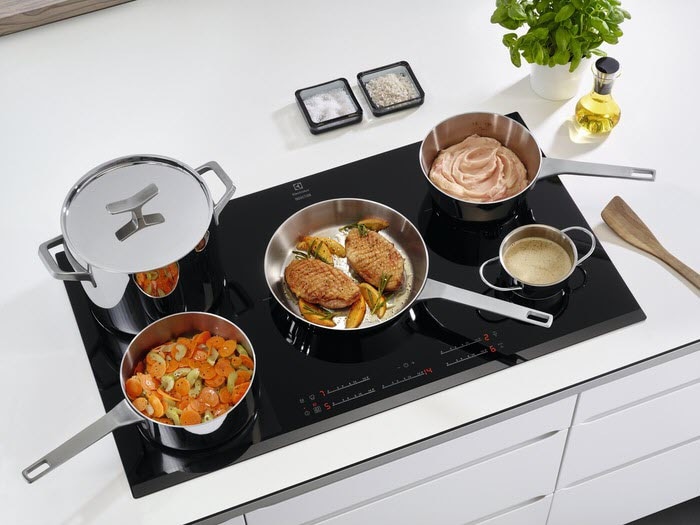
An induction cooktop is a modern cooking appliance that uses electromagnetic energy to heat cookware directly, offering faster, safer, and more efficient cooking compared to traditional gas or ceramic hobs.
How do induction stoves work?
Induction cooking works differently from gas and traditional electric hobs. Instead of generating heat through a flame or a heated coil, induction stoves use electromagnetic fields to heat your cookware directly. When a compatible pan (usually one with a magnetic base) is placed on the induction zone, the energy transfers into the pan itself - making it the source of heat.
For more in-depth comparison, check out our articles:
- Induction vs gas hob: Which is right for me?
- Induction cooktop vs Radiant cooktop: A comprehensive comparison
What’s the appeal of induction stoves?
This method offers several unique advantages. First, it’s highly efficient - since heat is generated directly in the cookware, very little energy is lost in the process. This means food cooks faster and the surrounding surface stays relatively cool. Second, induction offers precise temperature control. Whether you’re searing meat or simmering sauce, adjustments happen almost instantly.
Safety is another major benefit of induction hobs. Cooking zones remain cool to the touch when no pan is present, and many models come with auto shut-off and child lock features. For busy or family kitchens, this adds an extra layer of peace of mind.
Key features of modern induction stoves
Today’s induction stoves come with smart features that enhance both convenience and safety, making them ideal for modern kitchens. Here are some standout functions you can expect:
- Touch controls and digital displays: Intuitive touch panels replace traditional knobs, allowing for more accurate heat adjustments and easy cleaning. Digital displays show real-time settings and timers for better control while cooking.
- Power boost functions: This feature temporarily increases power to a specific zone - perfect for quickly boiling water or searing meat. It saves time without compromising precision.
- Safety features: Built-in functions like auto shut-off help prevent accidents if a pan is removed or forgotten. Child locks keep settings secure, and residual heat indicators alert you when surfaces are still hot, even if they look cool.
- Flexible cooking zones: Some induction hobs let you bridge or expand zones to fit larger pots and griddles. This flexibility means better use of space and even heating across oversized cookware.
Compatible cookware for induction cooking
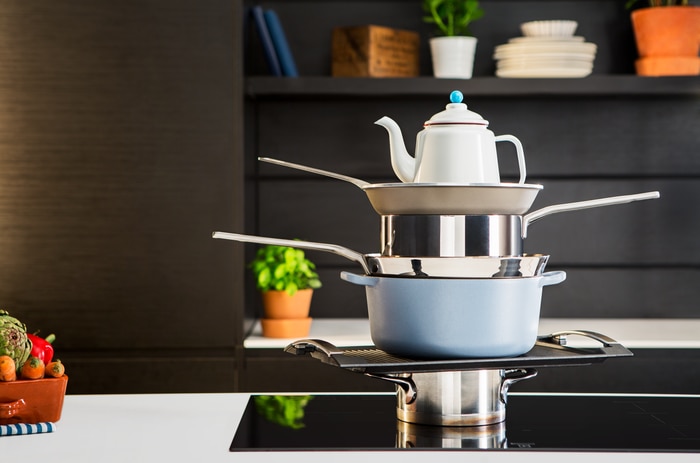
| Cookware material | Notes |
|---|---|
| Cast iron | Excellent heat retention and magnetic base - ideal for induction. |
| Enameled steel | Works well if base is magnetic; check for induction symbol. |
| Stainless steel | Only compatible if magnetic-grade steel is used. Use a magnet to test. |
| Aluminum | Standard aluminum won’t work unless labeled “induction-ready.” |
| Copper | Requires a magnetic layer or induction symbol to function properly. |
| Non-stick pans | Many are compatible if the base is magnetic - always check labeling. |
| Glass/Ceramic | Not compatible unless it has an induction-friendly base. |
Induction cooking requires cookware made with magnetic materials. A simple test: if a magnet sticks to the bottom of your pan, it’s likely induction-compatible. Common suitable materials include cast iron, enameled steel, and some stainless steel.
Curious about how to use aluminum on an induction stove? Standard aluminum pans won’t work unless they have a magnetic base or are labeled “induction-ready.” The same goes for copper cookware - look for versions designed specifically for induction use.
Wondering how to use a non-stick pan on an induction stove? Many modern non-stick pans are made with induction-compatible bases. Just check the label or test with a magnet before using to ensure safe, efficient heating.
Step-by-step guide to using your induction stove
While it may look sleek and high-tech, using an induction stove is incredibly intuitive once you understand a few basic steps. Here’s how to get the most out of your appliance - from powering it on to cleaning up after your meal.
1. Turn on the induction stove
Start by activating the stove using the power or touch-sensitive control panel. Most models feature a digital display that shows available cooking zones and their default settings. It’s designed to be user-friendly, so you can get cooking quickly without complicated buttons.
2. Place the cookware on the heating element
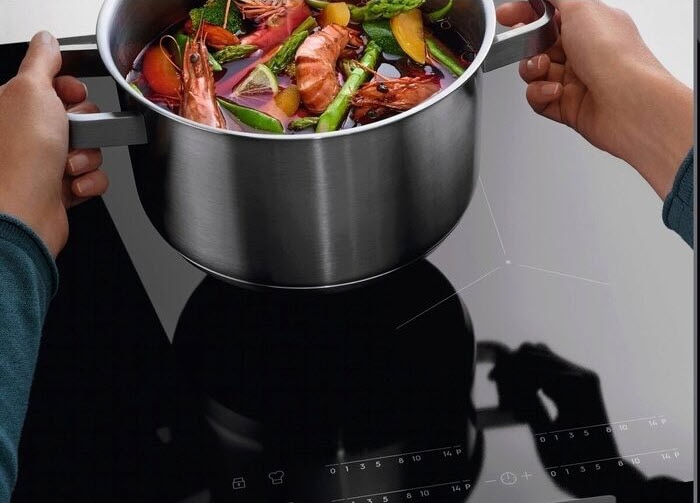
Induction cooktops only work when compatible cookware is detected. Place your magnetic-base pot or pan directly over the chosen cooking zone. If the stove doesn’t detect the pan, it won’t activate - this built-in safety feature also helps conserve energy.
3. Set the cooking zone and adjust the temperature
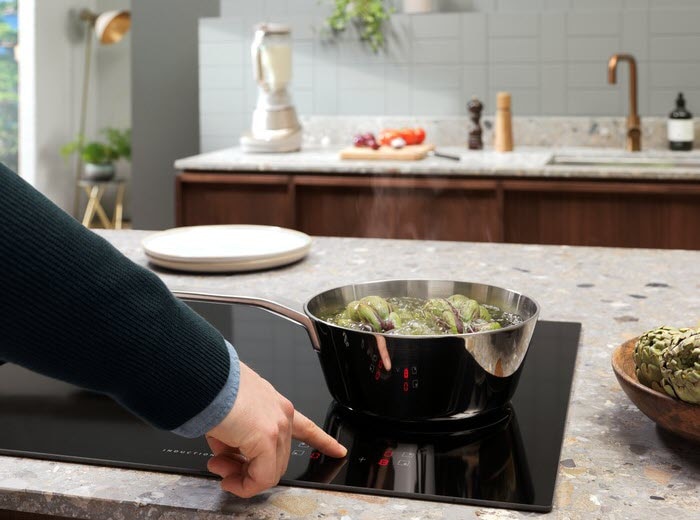
Use the controls to select the desired zone, then set the heat level. Induction allows for highly responsive temperature control - perfect for everything from a gentle simmer to a rapid boil. Many models offer helpful features like timers or Power Boost for fast heating.
4. Begin cooking
Once set, your cookware heats almost instantly, so you can start cooking without delay. Since induction heats the pan and not the surface, it provides more even results and reduces the risk of burning your food or hands.
5. Be aware of residual heat after cooking
Even though the glass surface remains cooler than traditional stoves, it can still retain some heat. Most cooktops display a residual heat indicator - typically shown as an “H” - to let you know when it’s safe to touch or clean.
6. Clean the stove after use
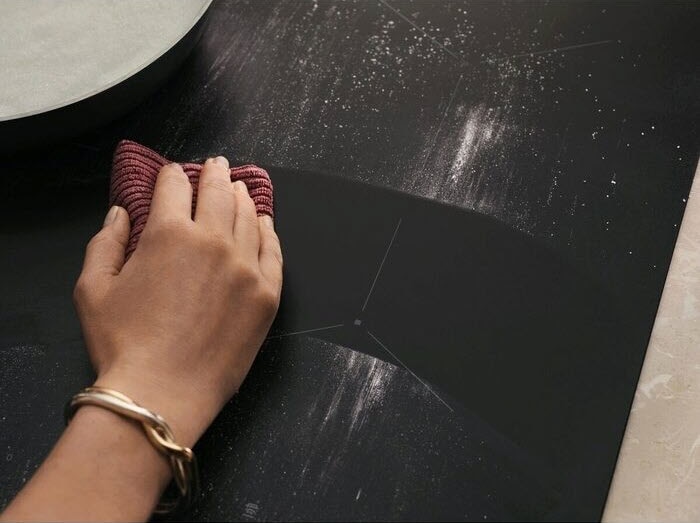
After cooking, allow the surface to cool completely. Then, wipe down with a soft cloth and a gentle cleaner to maintain its smooth, glossy finish. For detailed cleaning tips, check out this guide on cleaning your induction stove.
Energy efficiency tips when cooking with induction stove
Induction stoves are already more energy-efficient than gas or traditional electric models - but with a few smart habits, you can maximize their performance even further:
- Match your cookware to the burner size: Using pans that are too small or too large for the cooking zone can lead to uneven heating and wasted energy. For best results, select cookware that closely matches the diameter of the induction zone.
- Always cook with lids on when possible: A well-fitting lid helps trap steam and heat, reducing the time and power needed to cook food. This is especially useful for boiling, steaming, or simmering dishes.
- Make use of residual heat: Induction cooktops cool quickly, but your pan retains heat for a while. Try switching off the stove slightly before your food is done and let the remaining warmth finish the job. It’s an easy way to save power without compromising results.
- Use the right power level for each task: While it’s tempting to rely on high heat, not all cooking requires maximum power. Use medium or low settings for simmering, reheating, or delicate sauces - this keeps your dishes in control and your energy use efficient.
Thinking of switching to induction?
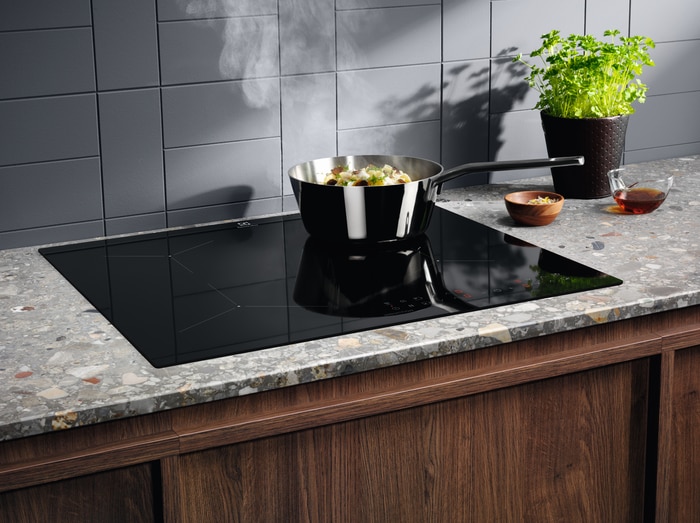
Learning how to use induction stove technology transforms your cooking experience - offering speed, precision, and energy savings. Electrolux induction stoves are designed to make that transition seamless, especially for first-time users.
With features like PowerBoost for quick boiling, residual heat indicators, and power management for energy efficiency, you’ll enjoy full control without the guesswork. Built-in AutoOff and Child Lock safety functions give added peace of mind, while timers and sleek touch controls make everyday cooking effortless.
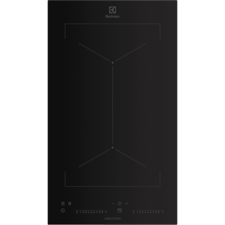
- Select the bridge function to combine two zones.
- PowerBoost provides quick, intense heat.
- Induction is safe, fast, and energy efficient.
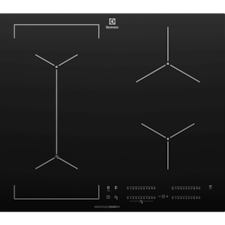
- SenseFry adjusts heat for even frying results.
- Select the bridge function to combine two zones.
- PowerBoost provides quick, intense heat.
If you want to see just how intuitive Electrolux induction hobs are, check out this video guide and get cooking with confidence.
FAQs on how to use an induction stove
Can I use regular pans on my induction stove?
Not all regular pans are compatible with induction stoves. To work, cookware must have a magnetic base. A quick test: if a magnet sticks to the bottom of your pan, it should work on an induction cooktop. Look for labels like “induction-ready” for best results.
Is it dangerous to touch an induction cooktop while it's on?
Induction cooktops are much safer than traditional stoves. The surface only heats up when a compatible pan is placed on it. While the area beneath the cookware can get warm from residual heat, the rest of the surface stays cool to the touch.
Why does my induction stove make noise when cooking?
Mild buzzing or clicking sounds are normal, especially at high settings or when using lightweight or layered cookware. These noises come from vibrations due to the electromagnetic field and usually indicate the stove is functioning properly.
How do I know when my induction cooktop is at the right temperature?
Induction stoves respond quickly, and most have digital displays or pre-set levels to help control temperature. Some models also beep or display visual cues when they reach certain heat levels. Since the heat adjusts instantly, you can fine-tune temperatures easily as you cook.