
Regular refrigerator maintenance is one of the simplest ways to ensure your appliance runs efficiently, keeps food safe, and lasts longer. Without routine care, your fridge can consume more energy, develop unpleasant odors, or even break down prematurely.
Understanding how to maintain refrigerator performance isn’t just about cleaning, it’s about protecting your investment and avoiding costly repairs. In this guide, we’ll walk you through essential steps to keep your refrigerator in top condition.
Why is refrigerator maintenance important?
Taking care of your refrigerator does more than keep it looking clean—it directly impacts performance, safety, and your wallet. Regular refrigerator maintenance helps your appliance run more efficiently, lowering energy consumption and monthly utility costs. It also extends the lifespan of key components, reducing the risk of breakdowns and expensive repairs.
More importantly, proper care ensures consistent cooling, which keeps food fresher and safer for longer. Simply put, knowing how to maintain refrigerator performance is an essential habit for any household.
The essential refrigerator maintenance check-list

Here’s a breakdown of what to do weekly, monthly, quarterly, and annually to make sure your fridge stays in top condition.
Weekly refrigerator maintenance tasks
- Clean interior surfaces and shelves: Spills and crumbs can lead to odors or bacterial growth. Wipe down all shelves and drawers with a mild detergent or a vinegar-water mix to keep the interior hygienic and fresh.
- Check and discard expired food items: Set a reminder to do a weekly scan of leftovers and expiry dates. Removing spoiled food not only clears space but also keeps the fridge from working harder to cool unnecessary items.
- Wipe down exterior surfaces: Fingerprints, grease, and smudges can build up quickly. Use a soft cloth and a gentle cleaner to keep the exterior looking polished. Here’s a step-by-step guide on cleaning your refrigerator from both inside and out.
Monthly refrigerator maintenance tasks
- Clean door seals, hinges, and handles: The refrigerator door plays a critical role in maintaining the internal temperature, so it’s important to inspect its components regularly. Clean the rubber gaskets with a soft cloth and mild soap to prevent debris buildup, which can weaken the seal.
- Inspect door hinges and handles: At the same time, ensure the hinges are tight and the handles are secure—a loose hinge can disrupt alignment, causing cool air to escape. Watch this video from Electrolux to learn how to check if your refrigerator door is closing properly.
- Check and clean drip pan: Some fridges have a removable drip pan underneath that collects excess condensation. Carefully slide it out and clean it with warm soapy water to prevent mold or odors.
- Clean ice maker and water dispenser: Residue and minerals can build up in the ice or water system. Clean the dispensers and flush the lines if your fridge has that feature.
Quarterly refrigerator maintenance tasks
- Deep clean interior with baking soda solution: Every few months, empty the fridge and do a more thorough clean using a mixture of baking soda and water. It deodorizes without harsh chemicals. This guide explains how to get rid of odors in your refrigerator.
- Conduct regular defrosting: Manual defrost models should be defrosted to prevent ice buildup. Even automatic ones benefit from periodic checks. Check out this guide on how to manage freezing issues to learn about defrosting, and cooling balance better.
- Check and replace water filter: If your fridge has a built-in water filter, it should be replaced every 3–6 months depending on usage. A clean filter improves water taste and prevents buildup.
Annual refrigerator maintenance tasks
- Clean refrigerator coils: Dusty coils reduce cooling efficiency. Unplug the fridge and use a coil brush or vacuum attachment to gently clean them—usually located at the back or beneath the unit.
- Check temperature settings and calibration: Ensure your fridge stays between 3°C and 5°C, and your freezer at -18°C. Adjust if necessary. Read more about how to set the right temperature for your fridge.
- Inspect and clean condenser fan: A clogged fan restricts airflow, making your fridge work harder. Carefully clean it with a soft brush or vacuum if accessible.
- Professional maintenance check: Once a year, it’s worth having a technician inspect the compressor, refrigerant lines, and electronic components to catch issues early and keep your fridge running optimally.
Common mistakes that shorten your refrigerator’s lifespan

Even with regular maintenance, certain everyday habits can quietly wear down your refrigerator over time. Here are some common mistakes to avoid:
- Overloading the fridge: Packing your fridge too tightly restricts airflow and forces the motor to work harder. Leave space between items for efficient cooling.
- Blocking vents or coils: Obstructed air vents or dirty condenser coils reduce cooling efficiency and strain the compressor.
- Frequent door opening: Leaving the door open too long or opening it too often can spike internal temperatures and reduce energy efficiency.
- Incorrect food storage: Storing hot food directly in the fridge or placing items in the wrong compartments can disturb internal cooling. For better storage practices, see our guides on storing vegetables and fruits and meat storage tips.
- Neglecting seals and gaskets: Damaged or dirty door seals let cold air escape, making the fridge overwork to maintain temperature.
- Skipping regular cleaning: Dust buildup on coils and neglected drip trays can impair performance.
Let your refrigerator work smarter, not harder
Maintaining your refrigerator doesn’t have to be complicated - but it does need to be consistent. From weekly wipe-downs to annual deep cleans, each task plays a role in keeping your appliance energy-efficient, food-safe, and long-lasting. With a little routine care, you not only save on energy costs but also extend the lifespan of one of your home’s most essential appliances.
For even better results, consider upgrading to an Electrolux refrigerator. With features like precise temperature controls, energy-efficient cooling, auto defrost, and odor reduction systems, Electrolux models are built for smarter, low-maintenance living. Explore the full refrigerator range or check out our refrigerators buying guide to find your perfect fit.
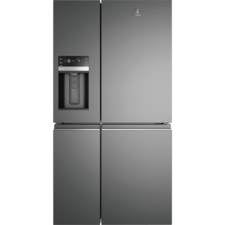
- TasteSealFlex ideal storage with 5 temperatures.
- TasteLockAuto keeps vegetables fresh for 7 days*.
- TwinTech cooling help preserves taste and texture.
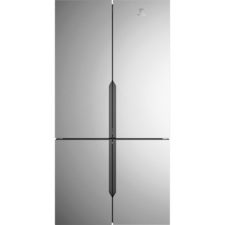
- Retains up to 90% Vitamin C after 7 days*.
- EvenTemp reduces temperature fluctuations.
- Inverter Technology significantly saves energy.**
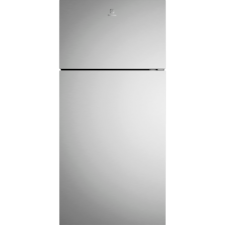
- AI AutoSense saves up to 10% energy*.
- GreenZone drawer retains up to 90% Vitamin C for after 7 days*.
- ExtraChill drawer ideal for deli meats and cheese.
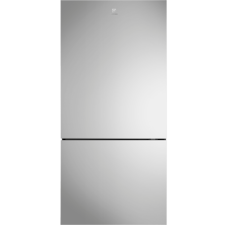
- TasteLockAuto keeps vegetables fresh for 7 days*.
- EvenTemp reduces temperature fluctuations.
- TasteGuard keeps your fridge smelling fresh*.
FAQs about how to maintain your refrigerator
-
How often should I clean my refrigerator?
Wipe surfaces weekly and deep clean every 3–4 months, including gaskets and interior drawers.
-
What temperature should my refrigerator be set to?
Keep the fridge between 3°C and 5°C, and the freezer at -18°C for optimal food preservation.
-
Can I clean refrigerator coils myself?
Yes. Unplug the fridge and use a coil brush or vacuum attachment to gently remove dust and debris.
-
What are signs my refrigerator needs professional maintenance?
Excessive noise, inconsistent temperatures, frost buildup, or water pooling can all indicate a need for professional servicing.
-
Should I unplug my refrigerator when cleaning?
Yes, especially for deep cleaning tasks or when cleaning coils or condenser fans, to ensure safety.